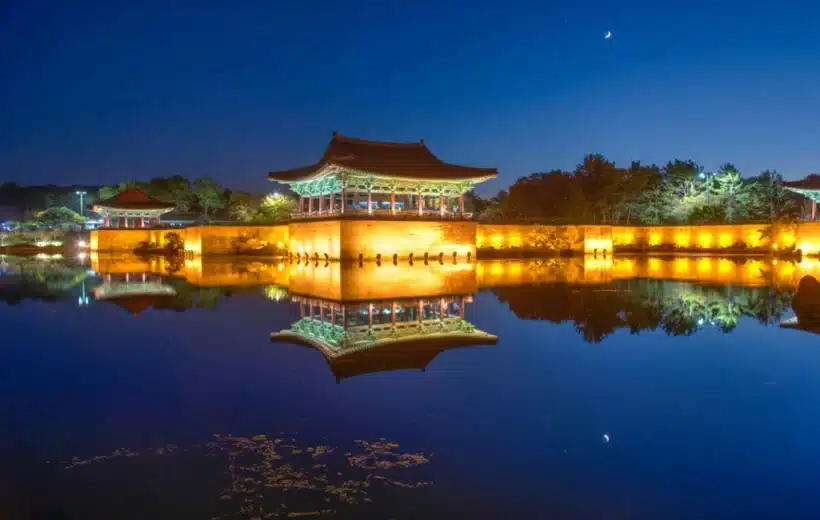
The museum that has no walls known as ‘the museum without walls’, Gyeongju (Gyeongju) has more temples, tombs, pagodas, and rock carvings of Buddhist statues along with palace remains than other locations within South Korea. It’s a beautiful city, filled to the brim with the past.
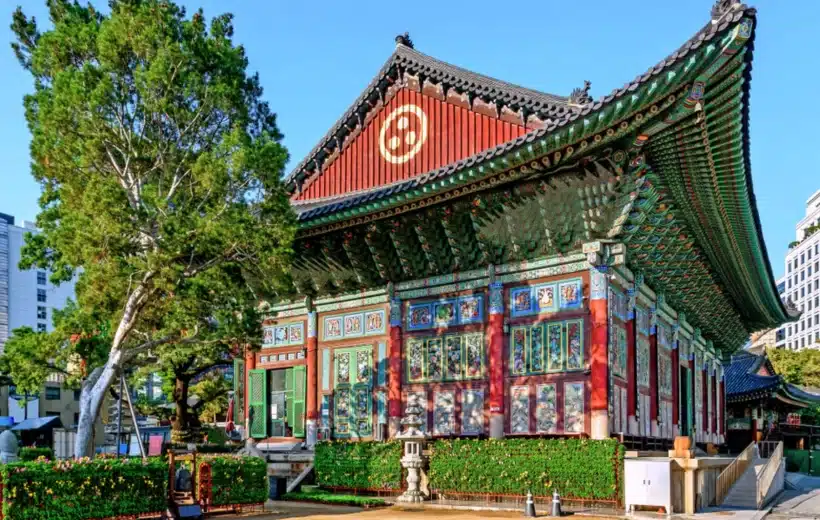
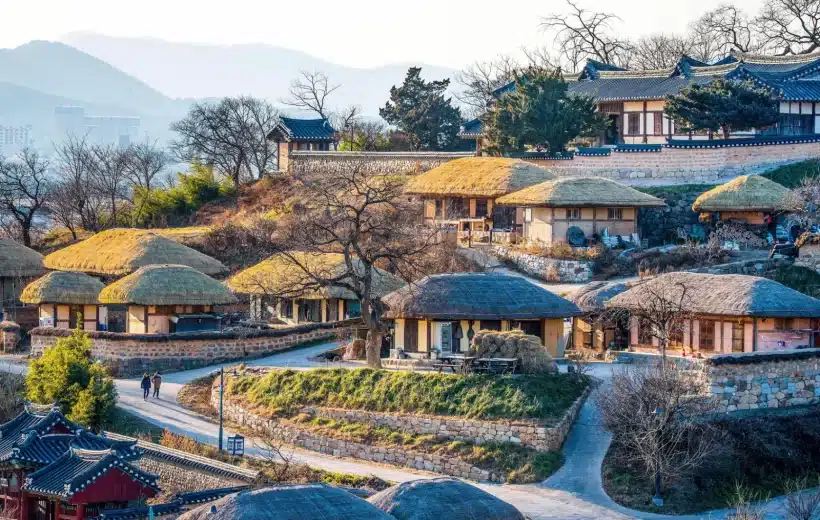
Visitors to the city’s centre are amazed by the distinct urban centre that is low-lying, that is sculpted by impressive and massive round tombs of grass – known as the tumuli as well as traditional structures, with vibrant hip roofs set against a backdrop of rolling green mountains.
Two of Gyeongju’s must-see sites Bulguk-sa as well as Seokguram are located in outlying districts and are within access to public transportation. Gyeongju and the surrounding districts cover a large area of around 511 sq miles (1323 square kilometres) which is why you need to consider a long time to see several lesser-known sites.